The Hard Truth About Gilbert's Water
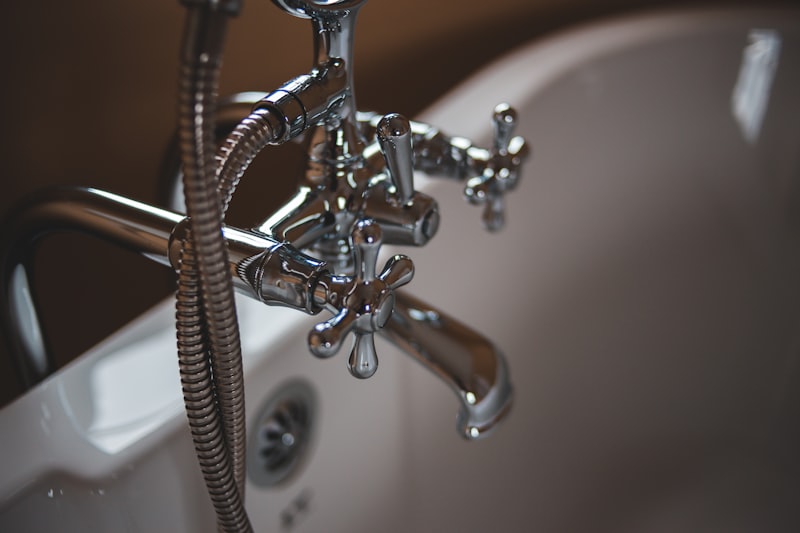
If you live in Gilbert, AZ, you are likely familiar with the white crust that builds up on your showerheads and faucets. This is due to "hard water"—water that contains high levels of dissolved minerals, primarily calcium and magnesium. While safe to drink, hard water is incredibly destructive to your home's plumbing system.
How Hard Water Destroys Pipes
Over time, the minerals in hard water precipitate out and stick to the inside of your pipes, water heater, and appliances. This creates scale buildup.
- Reduced Water Flow: As scale builds up, the diameter of the pipe shrinks, reducing water pressure.
- Increased Pressure: The restricted flow increases the overall pressure inside the plumbing system, putting stress on joints and valves.
- Corrosion: In copper pipes, the minerals can cause pitting and galvanic corrosion, eventually eating tiny pinholes right through the metal.
Pin-Hole Leaks: A Silent Threat
The most common water damage issue caused by hard water in Gilbert is the "pin-hole leak." These microscopic holes in copper pipes often occur inside walls or up in the attic. Because the leak is so small, it can spray a fine mist of water inside your wall cavity for weeks or months before you notice a wet spot on the drywall.
By the time the damage is visible, you are often dealing with severe structural rot and extensive black mold growth.
Protecting Your Home
To prevent hard water from causing catastrophic water damage:
- Install a Water Softener: A whole-home water softening system removes the heavy minerals before they enter your plumbing.
- Routine Inspections: Regularly check under sinks, around the water heater, and behind the washing machine for signs of crusty white buildup or moisture.
- Flush Your Water Heater: Drain and flush your water heater annually to remove sediment buildup that can cause the tank to rust and burst.
If you discover a leak, shut off your water immediately and call Tri Point Services to mitigate the damage before mold takes hold.