
Mold Remediation for Homes Across the East Valley
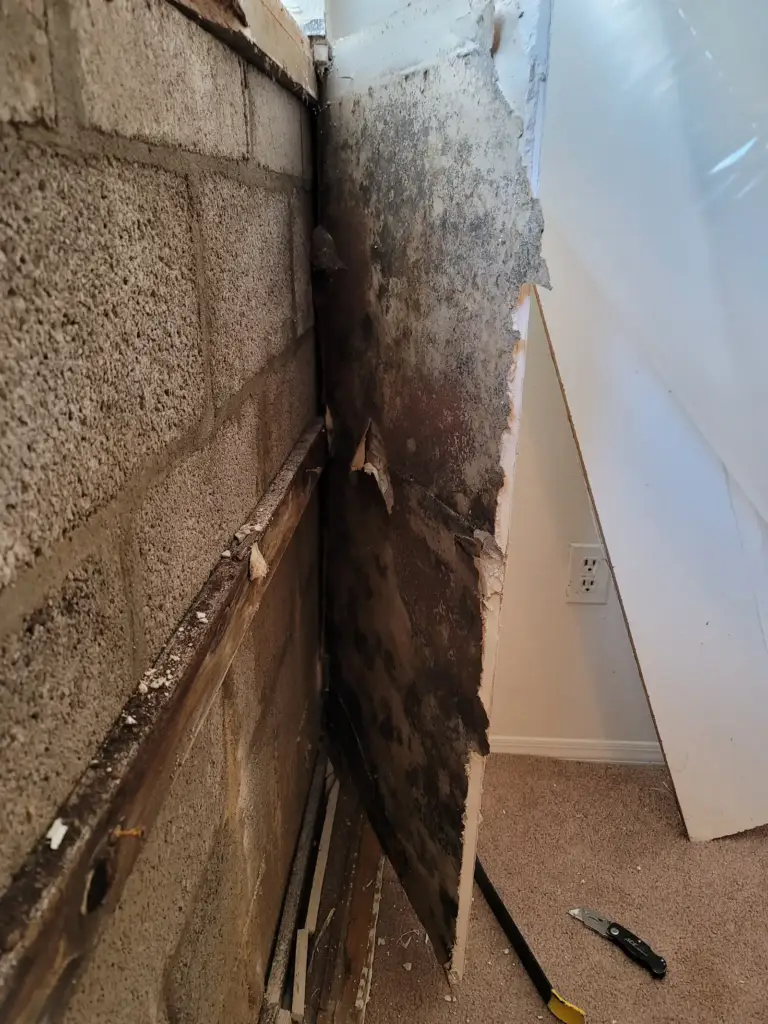
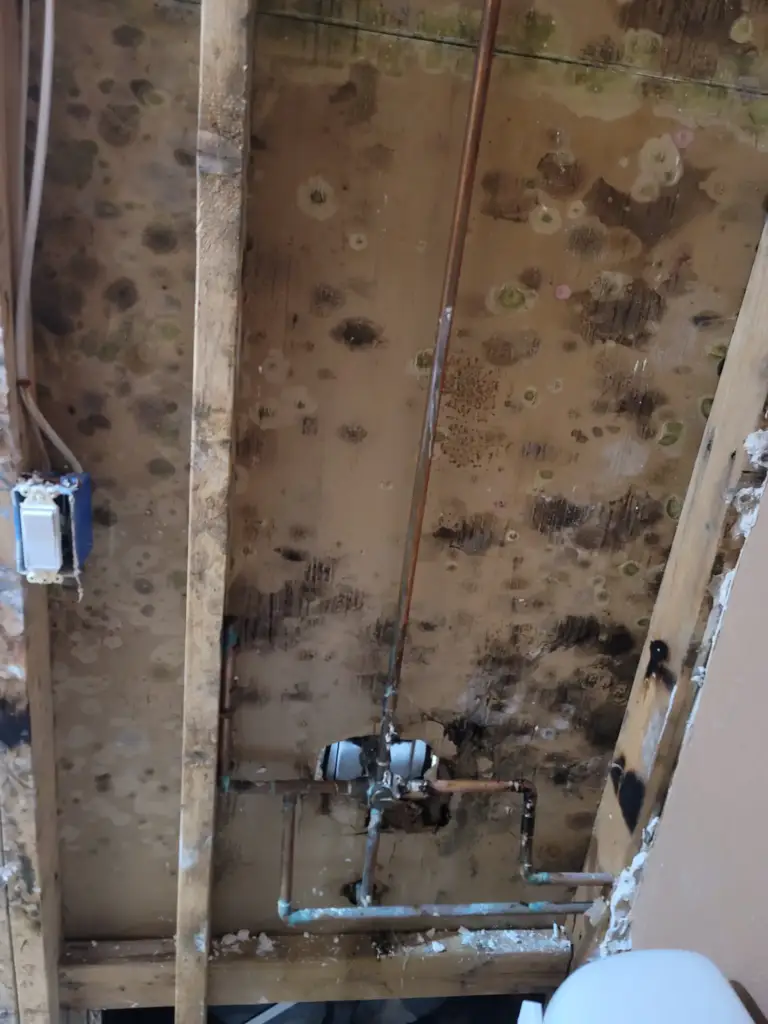
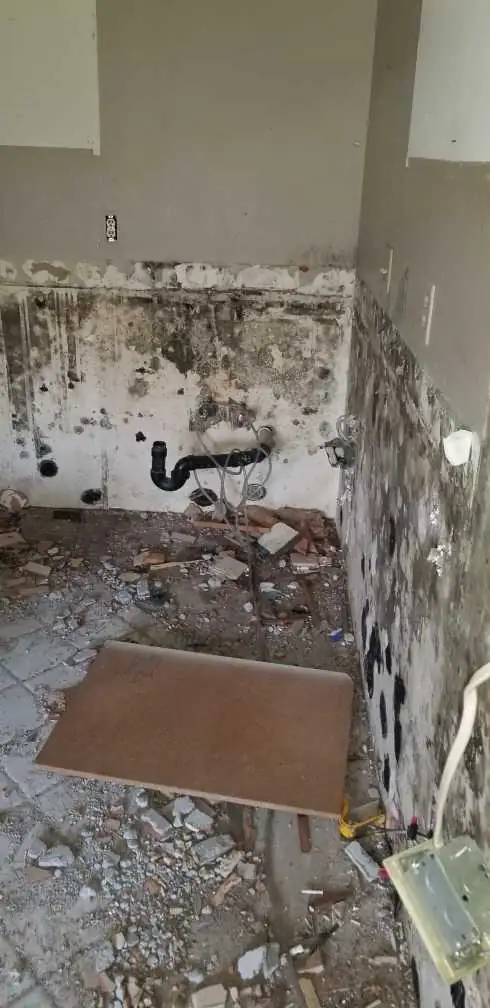
Mold in a desert house usually starts with water nobody saw: a slow leak inside a wall, a drain under the vanity, a roof that let a monsoon storm in. We find the growth, contain it, cut it out and fix the moisture that fed it.
Request Service
Tell us what happened and we'll call you back. In a hurry? Call (623) 288-5596.
- We answer 24/7
Mold
How do you get rid of mold and keep it from coming back?
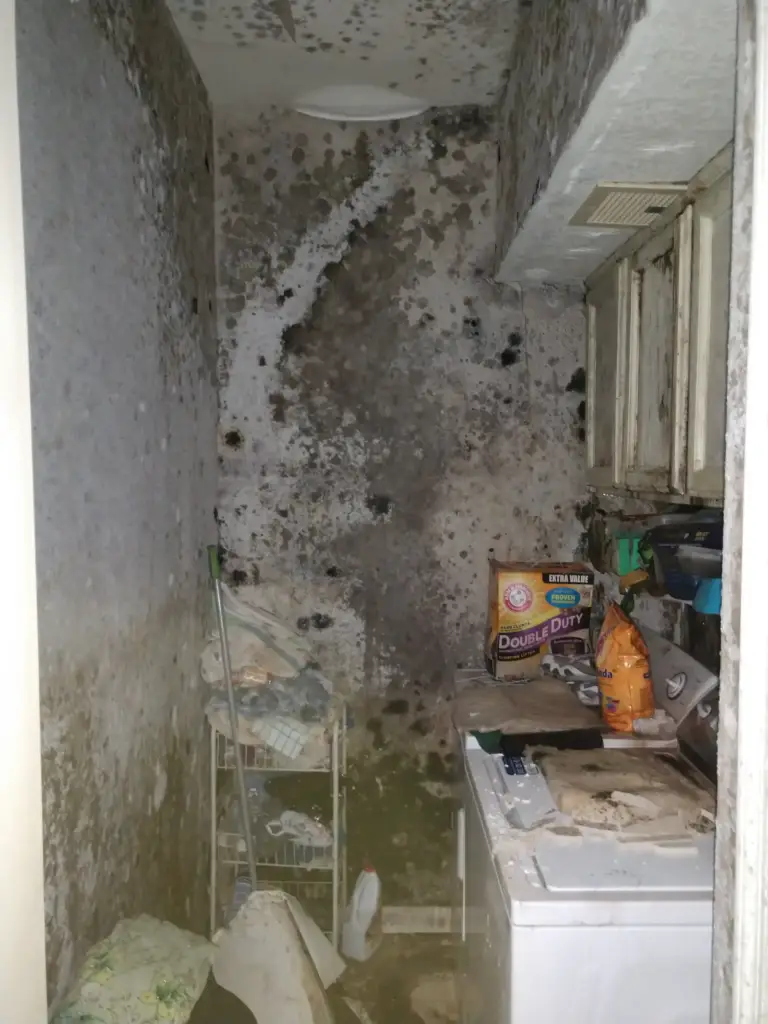
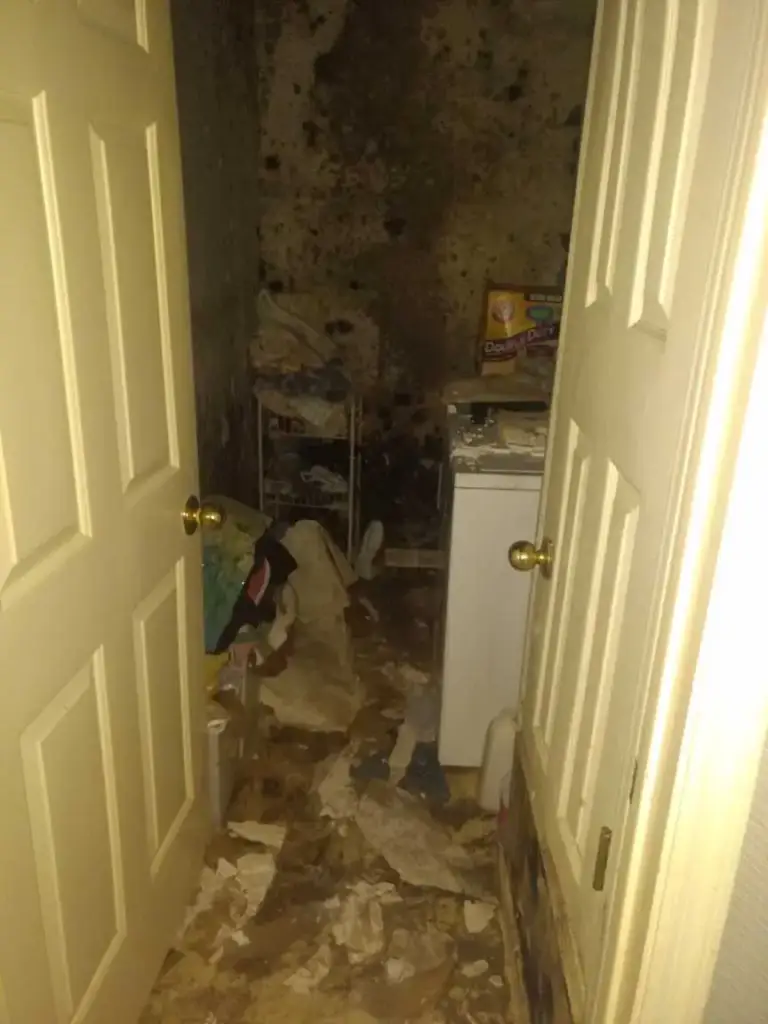
Find the moisture, contain the area, remove what’s growing, then fix the source. We start with an inspection, and testing where it helps, to map how far the growth goes. The work area is closed off from the rest of the house, moldy drywall and insulation come out, and the leak gets repaired before any wall is closed back up.
- Leaks inside walls and under sinks
- Laundry room and washer line leaks
- Bathroom walls behind showers and vanities
- Growth under floors and around ductwork
- Ceilings stained by a monsoon roof leak
- Water heater closets
- Mold found during a home sale
- Rental and landlord properties
Good to know
Can I spray it with bleach and paint over it?
No, and the EPA is direct about it: don’t paint or caulk moldy surfaces. Paint hides the stain for a while, but growth on the back of the drywall and inside the cavity keeps going as long as it stays damp. Porous materials like ceiling tiles and carpet may have to be thrown away once mold sets in.
Found mold, or smell it?
- Don’t scrub, sand or tear at it yet. That spreads spores through the house.
- If the growth is near a vent or return, turn the HVAC off.
- Look for the water: a stain, soft drywall, a drip under a sink or behind the washer.
- Take photos and note when you first noticed the smell or the spot.
- Call (623) 288-5596 and tell us where it is and what’s on the other side of that wall.
The rules
When is a mold problem too big to clean up yourself?
The EPA draws the line at about 10 square feet, roughly a 3 by 3 foot patch. Below that, most homeowners can handle it with the EPA’s cleanup steps. Past it, or when the mold came from sewage or other contaminated water, the EPA points you to a professional who has experience with that kind of damage.
10 sq ftEPA’s rough limit for a homeowner mold cleanup
The same guide says not to run the HVAC system if you know or suspect it’s contaminated, which matters in a house where the air conditioner runs most of the year. It also sets the clock for anything that gets wet: dry it in 24 to 48 hours, because past that window mold can take hold, and Arizona heat inside a closed wall doesn’t slow it down. Read the EPA guide to mold, moisture and your home. When the source was a leak, the drying side is covered on water damage restoration.
Our process
How a mold job moves from first look to closed wall
- InspectWe find the growth, trace the moisture and test where testing answers a question.
- ContainThe affected area is closed off from the rest of the house before work starts.
- RemoveMoldy drywall, insulation and other porous materials are cut out and hauled away.
- Fix the sourceThe leak, drain or roof problem that fed the mold gets repaired.
- RebuildWalls, floors and finishes go back in once the area is clean and dry.
From a customer
What do reviewers say about their mold jobs?
Two reviews talk about mold directly. Robin Evans had a leak behind the wall causing mold and wrote that Adam “checked in regularly to make sure the repairs were going well.” Kyle Barichello was dealing with mold during a home sale; Adam came out on a weekend to assess it and “worked great with all the people in our closing.”
“Adam at Tri-point was incredible to work with from the first phone call. He visited the day of on a weekend to assess our mold situation. He was responsive and willing to go the extra step to make sure the job was well done. He communicated very well and worked great with all the people in our closing. Highly recommend Adam and his team.”
FAQ
Mold Questions We Hear Around the East Valley
Can mold really grow in a house this dry?
Yes. Desert air is dry, but the inside of a wall isn’t once a pipe or drain starts leaking into it. Drywall, insulation and wood framing stay damp in that closed space, and summer heat helps the growth along. That’s why mold in Arizona homes so often turns up only after someone opens a wall or pulls a vanity.
Do I need mold testing, or can you just see it?
Sometimes seeing it is enough. If the growth is visible and the source is obvious, a test may not change the plan. Testing earns its keep when you smell mold but can’t find it, or when a buyer, seller or landlord needs results on paper. We’ll tell you which case you’re in before any samples go to a lab.
We found mold during a home sale. What should we do first?
Get it inspected quickly, because timing depends on how far the growth goes and what’s behind it. We can talk with the buyer, seller, agents and home inspector so everyone hears the same plan, then keep them updated while the work runs. Kyle Barichello’s review describes that kind of job, with Adam working alongside everyone in the closing.
Will my homeowners insurance pay for mold removal?
Coverage depends on your policy and on what caused the mold, and only your insurance company can decide it. Ask your agent before work starts. What we can do is photograph the mold and its source, write down what we find, and work with your adjuster through the job so the record is clear.
Can you put the room back together after the mold is out?
Yes. Once the area is clean and dry, the same company rebuilds it: new drywall and paint, flooring, and cabinets or vanities where they had to come out. Robin Evans wrote that when it was all done “you would never know there was damage.” The rebuild side is on water damage repair.
Service area
Where does the mold crew work?
We’re based in south Gilbert and take mold jobs across the East Valley and the wider Phoenix area: Gilbert, Queen Creek, San Tan Valley, Chandler, Mesa and Tempe, plus Sun Lakes, Apache Junction, Fountain Hills, Phoenix and Scottsdale. Call (623) 288-5596 with your address.
Related services
Where mold jobs usually start and end
Talk to our team
Seeing spots or smelling must?
Call (623) 288-5596, any hour. Tell us where you see it or smell it and whether there’s been a leak nearby, and we’ll set a time to come look.